
Winter Rain and Foothill Runoff: Drains and Sewer Backups in LA
Los Angeles Plumbing Pros Blog — 30 Oct 2026
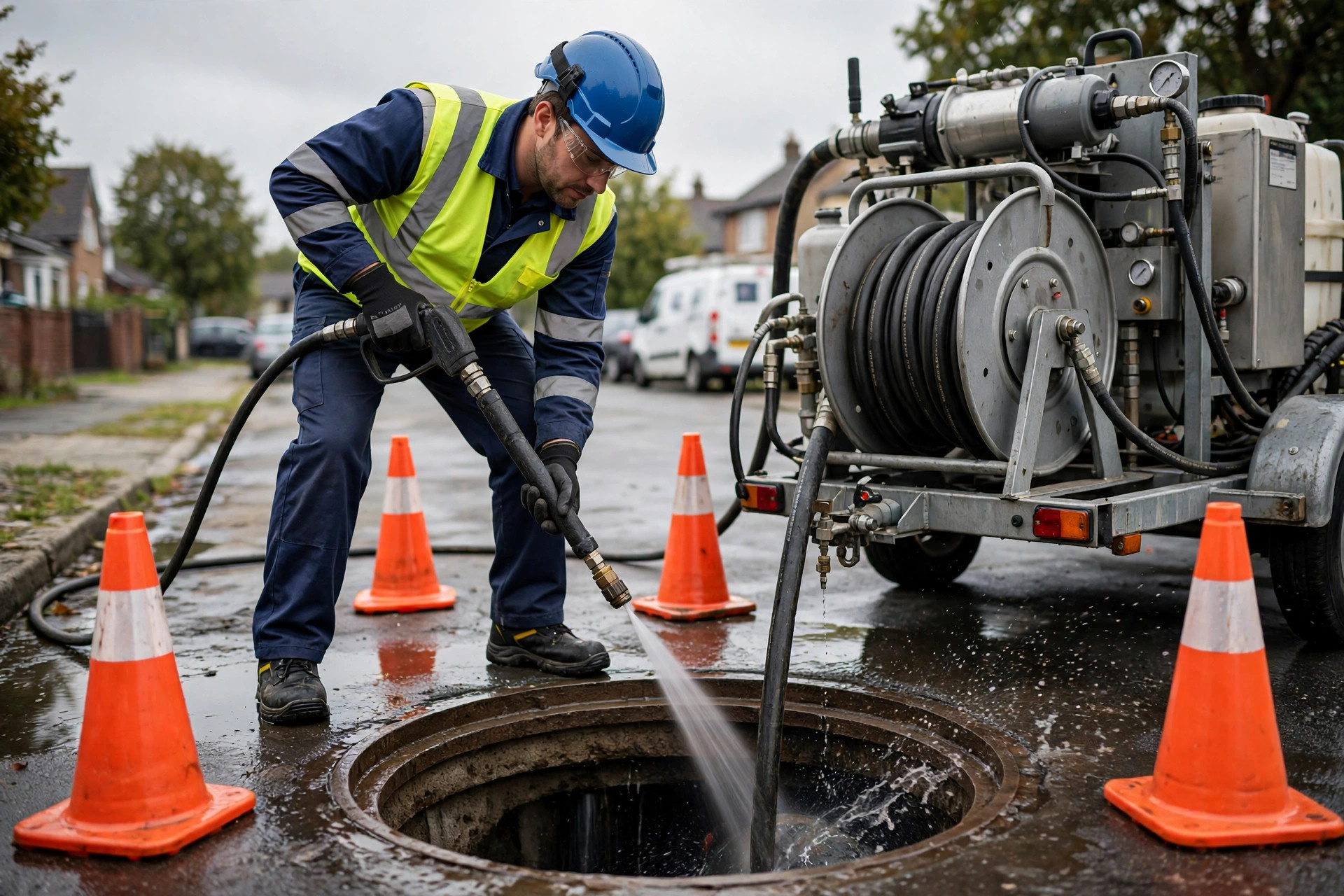
Los Angeles is dry most of the year, then winter rain arrives all at once. Foothill runoff, leaves, and old laterals combine, and the first big storm is often the first backup of the year.
Why winter is backup season in Los Angeles
Los Angeles does not get steady rain through the year. It gets long dry stretches, then intense winter storms that drop a large amount of water in a short time. During the dry months, leaves, soil, and debris collect in gutters, area drains, and yard drains. Tree roots grow into laterals, grease hardens in kitchen lines, and small partial blockages sit unnoticed because daily use is light. When the first winter storm hits, runoff from roofs, driveways, and hillsides arrives all at once, and a drainage system that coped in summer is suddenly overwhelmed.
What to clear before the first storm
Start outside. Clear gutters, downspouts, area drains, and yard drains of leaves and soil, and make sure downspouts discharge away from the house, not into a window well or a low spot next to a foundation. Check that area drains in driveways and patios are not covered by mulch or soil. Inside, do not ignore a slow drain in autumn. A tub that drains slowly in October is a warning that a main line is partially blocked, and winter rain will make it worse. A drain cleaning or a camera inspection before the storm season is cheaper and calmer than an emergency call during a storm.
In homes with a history of backups, a backwater valve can prevent city main surcharge from flowing back into the house. It is not right for every home, and it must be installed and maintained correctly, but in low-lying areas near a city main, or in homes that have backed up during previous storms, it is worth discussing. A sump pump, where one is installed, should be tested before winter, because a pump that has sat dry all summer may not start when it is needed. These are small checks, but they are the difference between a wet winter and a dry one.
What not to do during a backup
If a main-line backup happens during a storm, do not use fixtures on that line. Flushing a toilet, running a shower, or doing laundry will add water to a system that cannot drain, and it will make the backup worse. Do not use chemical drain cleaners on a backup. They do not clear a main-line blockage, they can damage pipes, and they create a chemical hazard for anyone who later opens the line. Do not wade into backup water without protection, because it can contain sewage and stormwater contaminants. Shut off water use on the affected line, photograph the backup for your records, and call for help.
After a backup, cleaning is not just mopping. Porous materials that soaked up sewage water may need to be removed, and hard surfaces need disinfection. A technician should find the cause, not just clear the backup, because a backup that is cleared without a camera inspection can return in the next storm. The camera will show whether the cause was roots, a break, a partial collapse, or a city main issue, and that diagnosis decides whether the fix is a cleaning, a repair, a backwater valve, or a call to the city about the main.
Frequently asked questions
Why do backups happen only in winter?
Winter storms add runoff and infiltration to a system that already has partial blockages, roots, or debris. Summer use alone may not be enough to trigger a backup.
Will a drain cleaning prevent winter backups?
It helps if the cause is a partial blockage, but it does not fix a break, a collapse, or a city main surcharge. A camera inspection after a backup shows the real cause.
Should I use chemical drain cleaner during a backup?
No. It does not clear a main-line backup, it can damage pipes, and it creates a hazard for anyone who later works on the line.
Related service
Call Los Angeles Plumbing Pros
If you are seeing the signs in this post, describe what you see, where it is, and when it started. A technician will talk through the next step before any work starts.